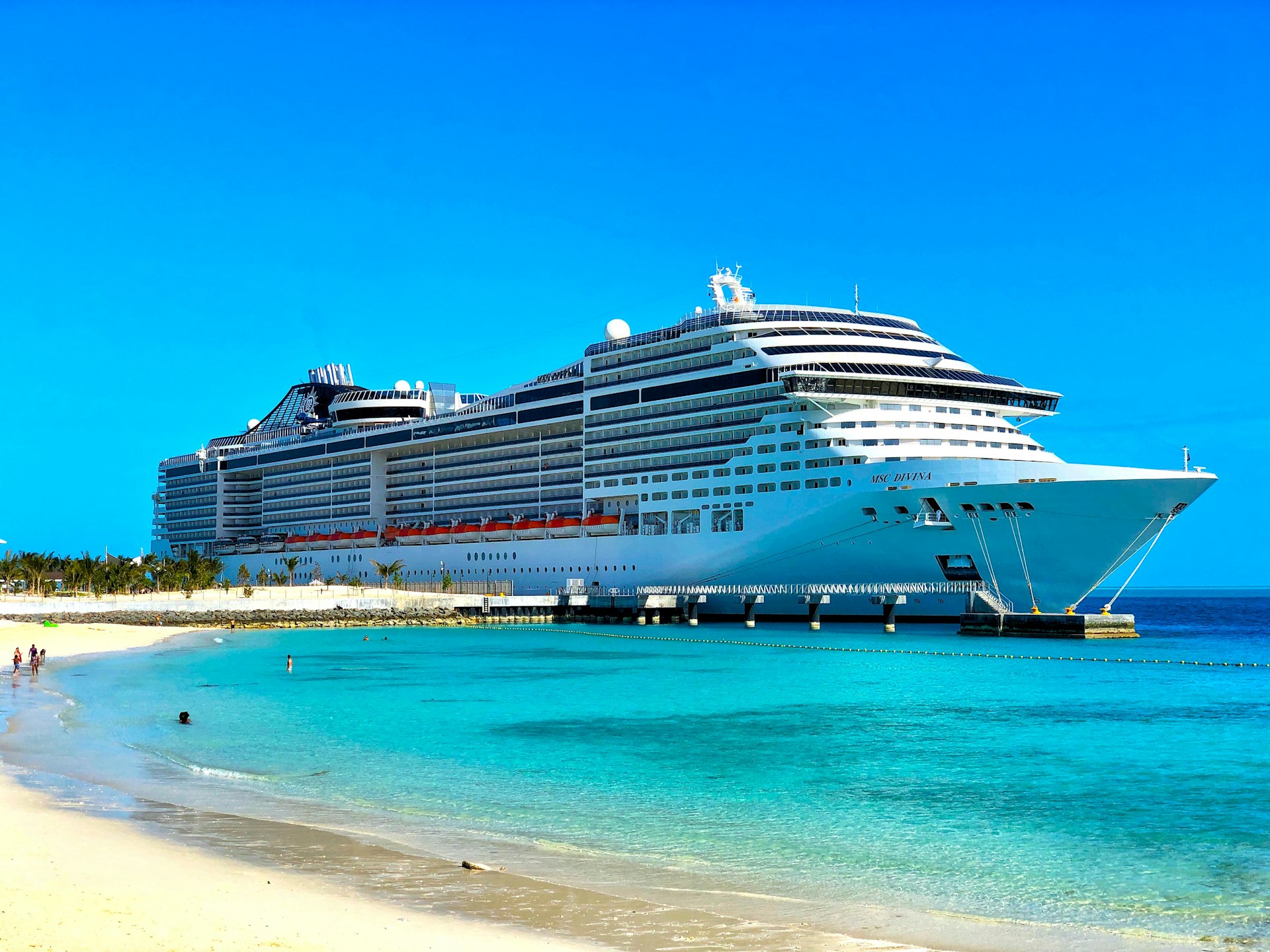
I almost didn't take my first cruise because the process seemed impossibly complicated. Cabin categories, dining times, shore excursions, what to pack—the decisions felt endless.
Turns out, cruising is actually simpler than researching a cruise. But that first-timer anxiety is real, so here's everything I've learned to help you skip the confusion.
Choosing Your First Cruise
Start with a Short Sailing
Your first cruise should be 3-5 nights, not 14. This gives you enough time to learn the ship, understand the rhythm of cruise life, and return home before any potential homesickness kicks in.
Caribbean, Bahamas, and Mexican Riviera routes work well for beginners. The ports are tourist-friendly, the weather is predictable, and embarkation typically happens from major U.S. cities.
Browse 3-5 night cruisesPick a Major Cruise Line
For your first sailing, stick with the big names: Royal Caribbean, Carnival, Norwegian, or Princess. These lines sail frequently from multiple ports, offer extensive amenities, and have refined the cruise experience over decades.
Specialty and luxury lines are wonderful, but save them for when you understand your cruise preferences.
Understanding Cabin Types
Inside Cabins
No window, smallest space, lowest price. These work if you'll spend minimal time in your cabin and want to maximize the overall budget. I've slept fine in inside cabins—the darkness actually helps.
Oceanview Cabins
Window but no balcony. You can see outside, but the window doesn't open. Mid-range pricing. Honestly, I find these the hardest to justify—slightly more than inside without the balcony payoff.
Balcony Cabins
Private outdoor space with sliding door. The sweet spot for value. Having your own outdoor area transforms the experience—morning coffee, evening wine, fresh air whenever you want.
Suites
Larger space, better location, often with additional perks (butler service, priority boarding, specialty dining). Worth it for special occasions or if your budget allows.
Booking Smart
When to Book
The "wave season" runs January through March, when cruise lines offer their best promotions. Booking during this window—even for sailings months away—typically delivers better pricing.
For specific dates like holidays or school breaks, book 6-12 months ahead. For flexible timing, booking 2-3 months out often reveals deals as cruise lines work to fill remaining cabins.
Where to Book
Direct through cruise line websites works fine. Travel agents sometimes access promotional rates not available online and can assist if issues arise. The Costco Travel program consistently delivers competitive pricing with additional perks.
Payment Flexibility
Many cruise lines offer deposit programs where you can secure a cabin with a small down payment and pay the balance over time. This spreads the cost and locks in your rate.
Learn about our pay-over-time optionsWhat to Pack
Clothing
- Casual wear for daytime (shorts, t-shirts, sundresses)
- Swimwear (at least two sets—they don't dry overnight)
- One dressy outfit for formal nights (most ships have at least one)
- Comfortable walking shoes for shore excursions
- Light jacket or sweater (air conditioning runs cold)
Essentials
- Passport (for international itineraries)
- Medications in original containers
- Sunscreen (ship stores charge premium prices)
- Power strip (cabins have limited outlets)
- Lanyard for your cruise card
- Small daypack for shore excursions
Don't Pack
- Iron or steamer (fire hazard, banned)
- Surge protectors (ship electrical systems conflict)
- Hard alcohol (most lines prohibit bringing liquor)
- Candles (fire hazard)
Embarkation Day
Arrival Timing
Cruise lines provide check-in windows. Arriving early (10-11 AM for afternoon sailings) means longer waits but more time to explore before the ship fills up. Arriving later (2-3 PM) means shorter lines but less exploration time.
Your cabin may not be ready until 1:30-2:00 PM regardless of when you board.
What to Carry On
Keep medications, a change of clothes, swimsuit, and valuables in a carry-on bag. Checked luggage can take hours to reach your cabin. I always board ready to hit the pool immediately.
First Steps Aboard
1. Drop carry-on in cabin (if ready) or at guest services 2. Head to the buffet for lunch (included, open immediately) 3. Explore the ship while most passengers are still checking in 4. Attend the mandatory safety drill (required before sailing) 5. Watch the sail-away from an outdoor deck
Onboard Dining
What's Included
The main dining room, buffet, room service (on most lines), and casual eateries are included in your fare. You can eat at these venues as often as you want without additional charge.
What Costs Extra
Specialty restaurants (steakhouses, Italian, sushi) typically charge $25-75 per person. Alcoholic beverages, specialty coffees, and premium bottled water cost extra. Most lines offer drink packages that bundle unlimited beverages for a daily rate.
Dining Choices
"Traditional dining" means assigned table and time—you eat with the same tablemates each evening. "Flexible dining" lets you choose when and where to eat each night.
Neither is wrong. Traditional creates friendships with tablemates; flexible offers freedom. First-timers often prefer flexible to learn their preferences.
Shore Excursions
Ship-Sponsored vs. Independent
Cruise line excursions cost more but include transportation guarantees—if your excursion runs late, the ship waits. Independent tours save money but mean strict time management.
For your first cruise, I recommend at least one ship-sponsored excursion to understand the format, then mix in independent exploration for ports you're comfortable navigating.
Popular First-Timer Excursions
- Beach breaks (transport to a beach, return at set time)
- City tours (overview of major sights via bus)
- Snorkeling (equipment and boat included)
- Food and walking tours (local culture and cuisine)
Onboard Life
Daily Schedule
Each evening, you'll receive a newsletter listing the next day's activities. These include fitness classes, trivia, cooking demonstrations, live music, shows, and more—all included in your fare.
You can participate in everything or nothing. Many cruisers find their rhythm after a day or two—some love the programming, others prefer pool decks and quiet reading.
Tipping
Most cruise lines add automatic gratuities to your onboard account—typically $14-18 per person per day. This covers cabin stewards, dining staff, and other service personnel. You can adjust at guest services, but the default amounts reflect industry standards.
Common First-Timer Worries
Will I get seasick?
Modern cruise ships have stabilizers that dramatically reduce motion. Most passengers feel nothing. If you're prone to motion sickness, book larger ships (more stable), choose mid-ship cabins on lower decks (least movement), and pack remedies like Bonine or Sea-Bands.
Is it boring?
Quite the opposite. The challenge is choosing among activities, not finding things to do. But if you want lazy days by the pool, that works too.
Will I feel trapped?
Ships are surprisingly large—many span 15+ decks with multiple dining venues, entertainment areas, and outdoor spaces. Most passengers rarely feel confined. Plus, you're in a new destination every day or two.
Is it expensive?
Cruises include accommodations, meals, entertainment, and transportation between ports. When you compare apples to apples with a land vacation, cruises often cost less per day while delivering more.
Final Advice
Your first cruise won't be perfect because you'll learn your preferences along the way. Maybe you'll discover balconies matter more than you expected. Or that specialty dining isn't worth the extra cost for you. Or that you love active shore excursions more than beach days.
That's the point. One cruise teaches you more about your travel preferences than weeks of research.
Book a short sailing. Pick a well-reviewed ship. Don't overthink it. The cruise industry has spent decades making this experience accessible—trust that the infrastructure works.
Find your first cruise