Fifteen Mediterranean cruises. That's how many it took me to develop strong opinions about which ports deliver genuine experiences and which ones leave you wondering why you bothered.
Here's the thing about Med cruises: the brochures make everywhere look magical. Sunlit harbors, ancient ruins, picturesque villages. Reality is more nuanced. Some ports genuinely transform how you see the world. Others dump you in industrial cruise terminals miles from anything interesting.
Let me save you the disappointment I felt on my early sailings.
Ports That Exceed Expectations
Santorini, Greece
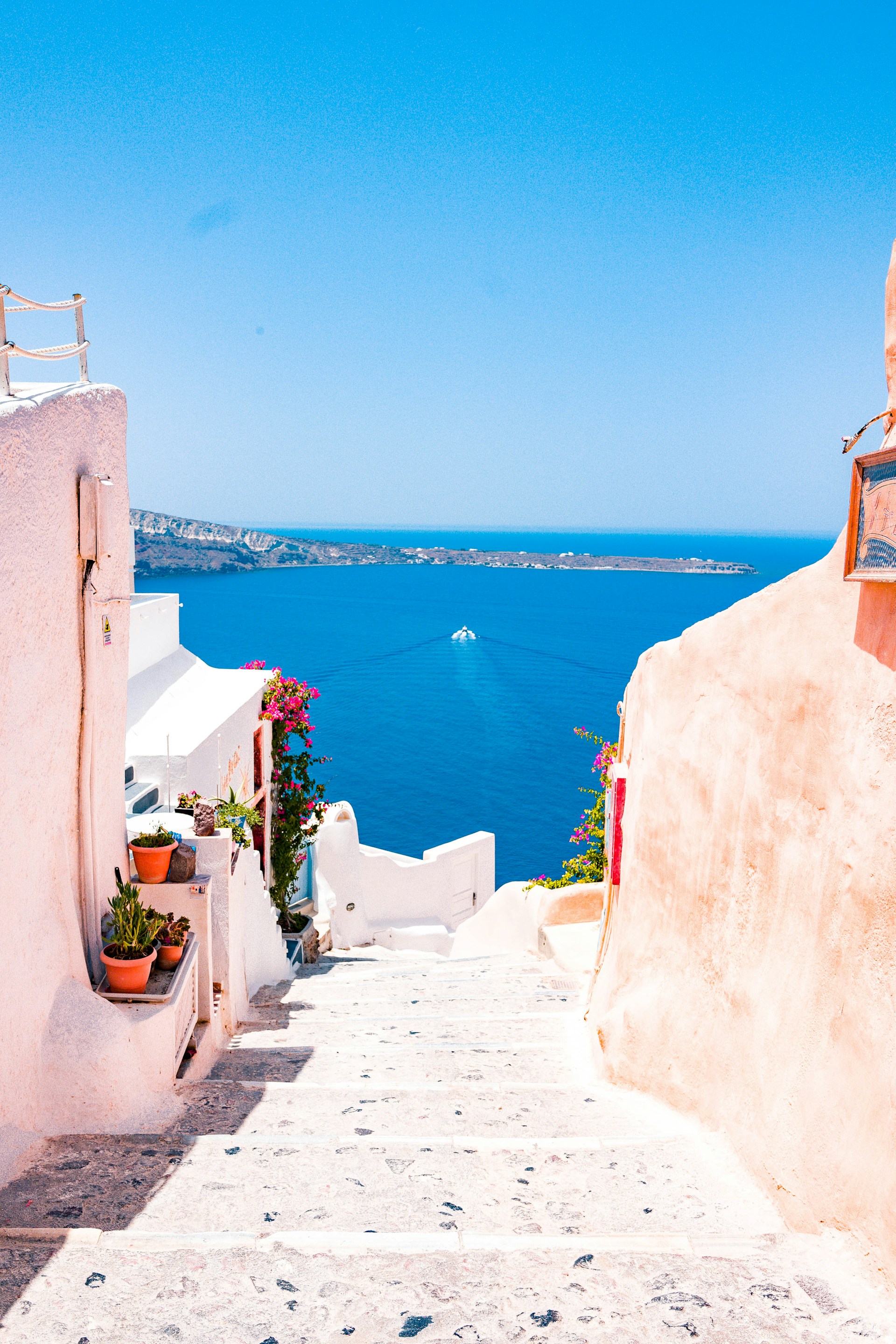
Yes, it's touristy. Yes, the donkey rides are controversial. Yes, the caldera gets crowded. None of that matters when you're watching sunset from Oia with a glass of Assyrtiko in hand.
Santorini earns its reputation. The volcanic landscape, the blue-domed churches, the way the light hits the whitewashed buildings—it photographs better in person than in any brochure. I've been four times and would return tomorrow.
Book the tender ticket as early as possible. The queue for shore tenders can exceed two hours on busy days. Once ashore, grab a taxi or bus to Fira, then walk the 2-mile clifftop path to Oia. The hike reveals why this island captivates.
Explore Greek Island cruisesDubrovnik, Croatia
Game of Thrones put Dubrovnik on the map, but the Old Town's appeal predates television. Walking the medieval city walls offers 360-degree views that compress 500 years of history into a two-hour stroll.
Arrive early—before 9 AM if possible. The walls open at 8 AM, and the first hour offers relative solitude before tour groups descend. The wall walk takes 1.5-2 hours with photo stops.
Skip the beach clubs marketed to cruisers. Instead, find a cafe on the Stradun (main street), order coffee, and people-watch. The architecture reveals itself gradually.
Kotor, Montenegro
A dark horse on many itineraries, Kotor surprised me more than any other Med port. The bay's approach rivals Norway's fjords—steep mountains plunging into still water, medieval villages clinging to slopes.
The old town is smaller than Dubrovnik but equally atmospheric and far less crowded. Climb the 1,350 steps to the fortress ruins for bay views that make the leg burn worthwhile.
Barcelona, Spain
Cruise ships typically dock at the World Trade Center terminal or the Moll Adossat—both within taxi range of La Rambla. Barcelona works as a cruise port because the city delivers far more than any single day allows.
My recommendation: don't try to see everything. Pick one neighborhood—Gothic Quarter or Gracia or Barceloneta—and wander without an agenda. Eat tapas, drink vermouth, watch the street performers. Save Sagrada Familia for a land-based trip when you can spend the three hours it deserves.
View Spain cruise itinerariesPorts That Disappoint
Civitavecchia (Rome), Italy
The port serving Rome sits 50 miles from the city center. That's 90 minutes each way on a good traffic day—and Rome traffic rarely cooperates.
A ship-sponsored Rome excursion runs 10+ hours to see the Vatican, Colosseum, and Trevi Fountain in rushed snippets. You'll spend more time on buses than at attractions.
If your itinerary includes Civitavecchia, consider skipping Rome entirely. The port town itself offers a decent beach and seafood restaurants. Or catch the train to smaller towns like Orvieto—equally historic, far less exhausting.
Naples, Italy
I want to love Naples. The pizza is extraordinary. The archaeological museum is world-class. But the cruise port experience often frustrates.
The city can feel overwhelming—traffic chaos, aggressive vendors, confusing navigation. First-time visitors frequently return to the ship stressed rather than enriched.
That said, Naples provides access to Pompeii and the Amalfi Coast. If these are priorities, endure Naples. Otherwise, spend the day at the excellent port-adjacent restaurants and skip the city stress.
Marseille, France
Cruise ships dock at industrial terminals far from anything resembling the Provence you imagined. The shuttle to city center drops you in areas that require further transportation to reach worthwhile destinations.
Marseille has genuinely improved in recent years—the Old Port renovation is lovely—but the cruise experience hasn't kept pace. Unless your itinerary includes Cassis or Aix-en-Provence excursions, this port underwhelms.
Ports Worth the Splurge on Excursions
Livorno (Florence/Pisa), Italy
Florence sits 90 minutes from the cruise port. You cannot do this independently in a cruise day timeframe without significant stress.
The ship excursion, while expensive ($150-200), handles logistics and guarantees you won't miss the ship. Florence demands at least 4-5 hours to experience the Uffizi, Duomo, and a proper lunch.
Alternatively, visit Pisa (30 minutes) or the underrated Lucca (45 minutes) for easier independent exploration.
Rome via Civitavecchia
Despite my earlier warning, if Rome is on your bucket list, the organized excursion makes sense. The logistics of train schedules, Roman traffic, and tight timelines stress even experienced travelers.
Just understand you're getting a taste, not an immersion. Rome really needs three days. A cruise gives you six hours.
Timing Matters
Spring (April-May)
Ideal weather, smaller crowds, reasonable prices. Easter week brings surge pricing and packed sites.
Summer (June-August)
Hot. Crowded. Expensive. But sometimes the only option for families with school-age children. Book morning excursions to beat heat; retreat to the ship for afternoon relief.
Fall (September-October)
My favorite season. Warm water for swimming, thinning crowds, harvest festivals in wine regions. Some venues reduce hours by late October.
Browse Mediterranean cruise datesMoney-Saving Strategies
Port Days to DIY
Smaller ports with walkable old towns don't require organized excursions. Kotor, Corfu, and Split work perfectly for independent exploration. Download offline maps before leaving the ship.
Group Shore Excursions
Sites like Viator and TripAdvisor offer private tours that accommodate cruise ship schedules. Split the cost among 4-6 passengers and you'll pay half what the cruise line charges for similar experiences.
Public Transportation
Mediterranean cities have excellent transit systems. Rome's trains, Barcelona's metro, and Athens' transit network all serve cruise ports. A €1.50 ticket replaces a $50 excursion for ports with good infrastructure.
Ships for Mediterranean
Celebrity Cruises and Azamara excel at Mediterranean itineraries—sophisticated ships, longer port stays, adult-focused atmosphere. Viking Ocean Cruises offers perhaps the best shore excursion programming of any line, with included tours at every port. Royal Caribbean brings family-friendly ships but sometimes prioritizes onboard activities over destination immersion.For small-ship experiences, Windstar and Seabourn access smaller ports the mega-ships cannot reach.
The Reality Check
A 7-night Mediterranean cruise visits 5-6 ports. You cannot deeply experience any single destination in 8-10 hours. What cruises offer is efficient sampling—a chance to discover which places deserve a proper return visit.
I've cruised the Mediterranean to determine where to spend future land-based vacations. That approach worked perfectly. Santorini earned a week. Rome earned another. Barcelona deserves a month.
Think of Mediterranean cruising as reconnaissance. Sample widely, return deeply to the places that move you.
Plan your Mediterranean cruise